
You are using an out of date browser. It may not display this or other websites correctly.
You should upgrade or use an alternative browser.
You should upgrade or use an alternative browser.
Skippydiesel
Well-Known Member
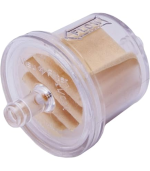
I like filters with a;
NOTE:
Be sure to purchase the OM filter - there are quite a few look alikes (copies) on the market, that have poor quality gauze and are not usually as robust. OM's are usually branded with OM name, place of manufacture & correct part number.

- Transparent casing for ease of inspection
- Mesh filter media that allows for contamination build up to be seen/monitored
- Hengst, H239WK, H102WK, H103WK
- Baldwin, BF4500, BF7863, BF7843, BF7848, BF7850
NOTE:
Be sure to purchase the OM filter - there are quite a few look alikes (copies) on the market, that have poor quality gauze and are not usually as robust. OM's are usually branded with OM name, place of manufacture & correct part number.
Last edited:
Skippydiesel
Well-Known Member
They all work, so the question should be what suits the engine (fuel flow, spigot in/out size) & the maintainer/operator.Alright Skippy, which is better. The bronze type media or cellulose? Snowmobiles and such seem to use the bronze filters. Never could find a micron spec on them. And being bronze, I think, one could backflush them and start over??
I have said why I like the transparent case/gauze filter media - see above.
Perhaps I should say why I am not keen on the alternatives;
- Pleated media (most often celuloses often called paper) - impossible to visually assess level of contamination - poor quality media can disintegrate & enter your carby/injector system.
- Sintered Bronze - similar to the pleated media, without the risk of disintegration - questionable filter area, may result in fuel flow restriction.
Auto Doc's
Lawn Addict
Hi Slomo,
Cellulose filter medias are not much of an issue, but the dab of adhesive to attach can be a problem. The poorly made ones often have Latex or very poor-quality silicone adhesives.
Industrials super glue or laser thermal welding are the most common methods of joining plastics together to ensure a leakproof seal.
Most fuel and oil filters are made overseas in mass quantities and have very low or no quality control standards.
I do not advise anyone to buy filters from a source such as Amazon, because that warehousing wholesale company has been a dumping ground for questionable products for years.
People blindly think convenience and quality exist together and they don't.
Plain wrapper or "white box" parts with no branding label often indicate the low quality of the purchased items.
Cellulose filter medias are not much of an issue, but the dab of adhesive to attach can be a problem. The poorly made ones often have Latex or very poor-quality silicone adhesives.
Industrials super glue or laser thermal welding are the most common methods of joining plastics together to ensure a leakproof seal.
Most fuel and oil filters are made overseas in mass quantities and have very low or no quality control standards.
I do not advise anyone to buy filters from a source such as Amazon, because that warehousing wholesale company has been a dumping ground for questionable products for years.
People blindly think convenience and quality exist together and they don't.
Plain wrapper or "white box" parts with no branding label often indicate the low quality of the purchased items.
Skippydiesel
Well-Known Member
"Most fuel and oil filters are made overseas in mass quantities and have very low or no quality control standards."
This statement is unfounded rubbish.
Good & poor quality filters, as in any manufactured item, has no particular state of origin
This statement is unfounded rubbish.
Good & poor quality filters, as in any manufactured item, has no particular state of origin