my fix to overheating tractor

Unlike politicians I try to understand, try to help, no spin, no pork , no 18 year old pages...darn)

The driving force? I am still mad I spent $2500 on my rig. That's more than my car was worth. Also I believe tools should last and give value (no offense to you who seem to genuinely love your tractors) . What prepared me for this? I owned British bikes and cars.

You know why the Brits don't make computers?
 
Motoman's obviously afflicted with Moweritis with elements of Tinkeritis.:laughing:....so "Robert brown".....why don't Brit's make computers?:licking:
 
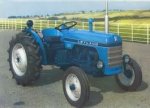
how could i forget Leyland ?.. [didnt know they made tractors]....i think the electrical systems came pre rusted from the factory :laughing:
 
It is off topic, but I'll reiterate the oft-told joke about "why do Brits drink warm beer?"
Ans. Because they have Lucas refrigerators.:wink::biggrin:
We'll continue the sleuthing.
 
Sherlock's amateur failure analysis

Aluminum used in tractor heads is cast and heat treated around 400F to achieve hardness. Valve guide bores machined for .002" interference fit with guide. Guide unloads some of the valve heat into head. Overheated heads are softened, lose some grip on guide. Meanwhile valve stem dia may grow reducing clearance in guide. Upward force may be exerted by vave stem sticking. During repeated overtemp cycles (300F oil. 400F+ head) the guide starts moving. Less guide in head to unload heat. Guide may not guide as well so stem cocks and helps push. Finally lifter-rocker-valve cannot stay together. Pushrod drops out.

Shops may test incoming heads for hardness and reject soft Al. B&S does not sell replacement guides,only heads. These problems are widespread. Intake side also has drop out caused by deposit buildup on stems. motoman
 
Back
Top