
Sears L2000
Member
- Joined
- Nov 13, 2025
- Messages
- 28
New plug, oil, oil filter, air filter, fuel filter, shut off, flushed fuel line segments, valve lash was 0.012-0.013”, never before apart or adjusted, set to 0.004”, spark pickup correct at 0.12X”, new fuel, engine shell off, nearly clean and cleaned to aluminum.
Has a spark pickup tach attached. Max at 3200 unless pull the governor arm. If at idle after adjusting, starts at 1700 and drifts to1300-1400 and sometimes lower to stall. Carb has an idle screw adjustment and the throttle lever has an idle or low end setting. De-conflicted them so bottom throttle opening of each is the same.
BEFORE: When running dull throttle, it formerly ran normal, but after minute or two drifted down, down, down to stall. Never quite knew what was next. (Fuel float inlet seat was gas destroyed. Closed off needle valve hole almost completely. Fuel starvation.)
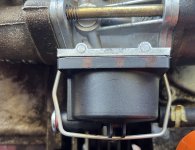
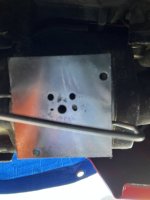
NOW: Replaced bottom half of Tecumseh carb #640065 with a new bottom half. These are the plastic bowl ones with metal bail wire holding on. Fixed high speed tube air mixer? and fixed idle jet separate.
Essentially the same. If runs to hot, seems to run. Not smoothly. Giving it a little choke keeps it running or running longer.
Does not restart well. Usually needs choke and full throttle. Cranks and makes smoke on start.
Mower deck pulls it down to 3100+/-.
When put to idle drifts from 1600+/- down to 1200 or less to usually stall.
The RPM is erratic enough its confusing.
CHOICE seems to be rebuild old bottom with a new float inlet seat, OR, borrow the high speed jet from the old one and put it in the new bottom.
GUESS: My guess is the high speed jet in the new bottom is too small. Trading jets might fix it.
It runs fairly smooth at 3000, but not at 3200. You can hear the misses.
Shame. Shell looks new and the hydro trans works perfectly. Little to no wear or rust.
Attachments
Last edited:
