Skippydiesel
Well-Known Member
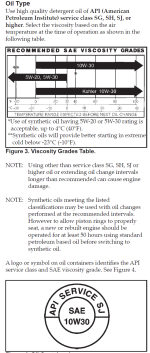
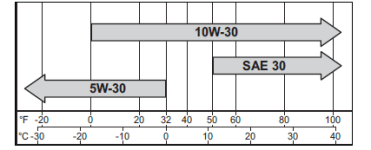
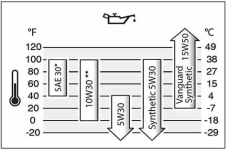
Interesting - Why?You cannot run straight 30W in the Kohler Command series engines if you do the lifters will rattle.
A statement like yours should be qualified ie reasons given.

Last edited:

Interesting - Why?You cannot run straight 30W in the Kohler Command series engines if you do the lifters will rattle.
 Kawaski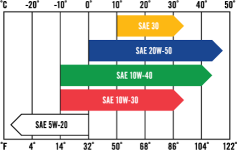
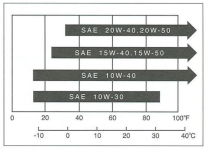
Years ago Kohler stated that straight 30W would develop air bubbles that would not support the lifters causing them to rattle.Interesting - Why?
A statement like yours should be qualified ie reasons given.
You jest.Years ago Kohler stated that straight 30W would develop air bubbles that would not support the lifters causing them to rattle.
Generally, how many ounces in 50 hrs ?Yes, most Kawasaki engines will use around 15-20ccs per hour.
I would absolutely listen to Star tech the only thing I could add to this is 15 years ago I got a free lt2000 from someone who went by some specification and from his perspective he destroyed the engine but I was able to revive it and it still runs today.The wise thing to do is actually measure the oil as you refill the crankcase. Sometimes they drain to spec, other times they might not by either being not drained enough or completely drained. This why I use a measuring cup and fill to near spec and then add a little at the time until to the full mark. Sure save having vacuum the excess when overfilled.
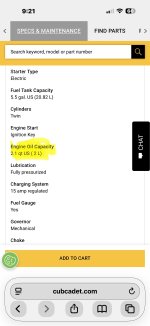
A completely brand-new, bone-dry engine from the factory takes 2.5 quarts. Because these commercial engines feature an external oil cooler, about 0.1 to 0.4 quarts of oil stays trapped in the cooler lines and pump during a standard drain. Therefore, a standard oil and filter swap requires exactly 2.4 quarts to reach the full mark. Kawasaki eventually released an updated dipstick for certain FX series blocks that adjusted the markings slightly, leading some dealers to mistakenly quote 2.5 quarts. The Dipstick: Pull it out, wipe it clean, and drop it back down the tube. DO NOT SCREW IT IN to check the level. Just rest the plastic cap flat on top of the threads. This is from my Kawasaki Service School book.FX801V DS25. Does anyone know the actual capacity of this engine. I’ve heard different capacities. It has the original dipstick, not the updated version. I’ve been told 2.0, 2.1, and, 2.4. Sorry if I duplicated post.